
AI in Cybersecurity: Enhancing Defense Against Modern Threats

Artificial intelligence (AI) has emerged as a powerful tool in the ongoing battle against cyber threats. As malicious actors become more sophisticated in their tactics, organisations are turning to AI to bolster their cybersecurity defenses. This article explores the various ways in which AI is transforming cyber security, from threat detection to incident response, and examines the challenges and opportunities associated with its implementation.
1. AI-Powered Threat Detection
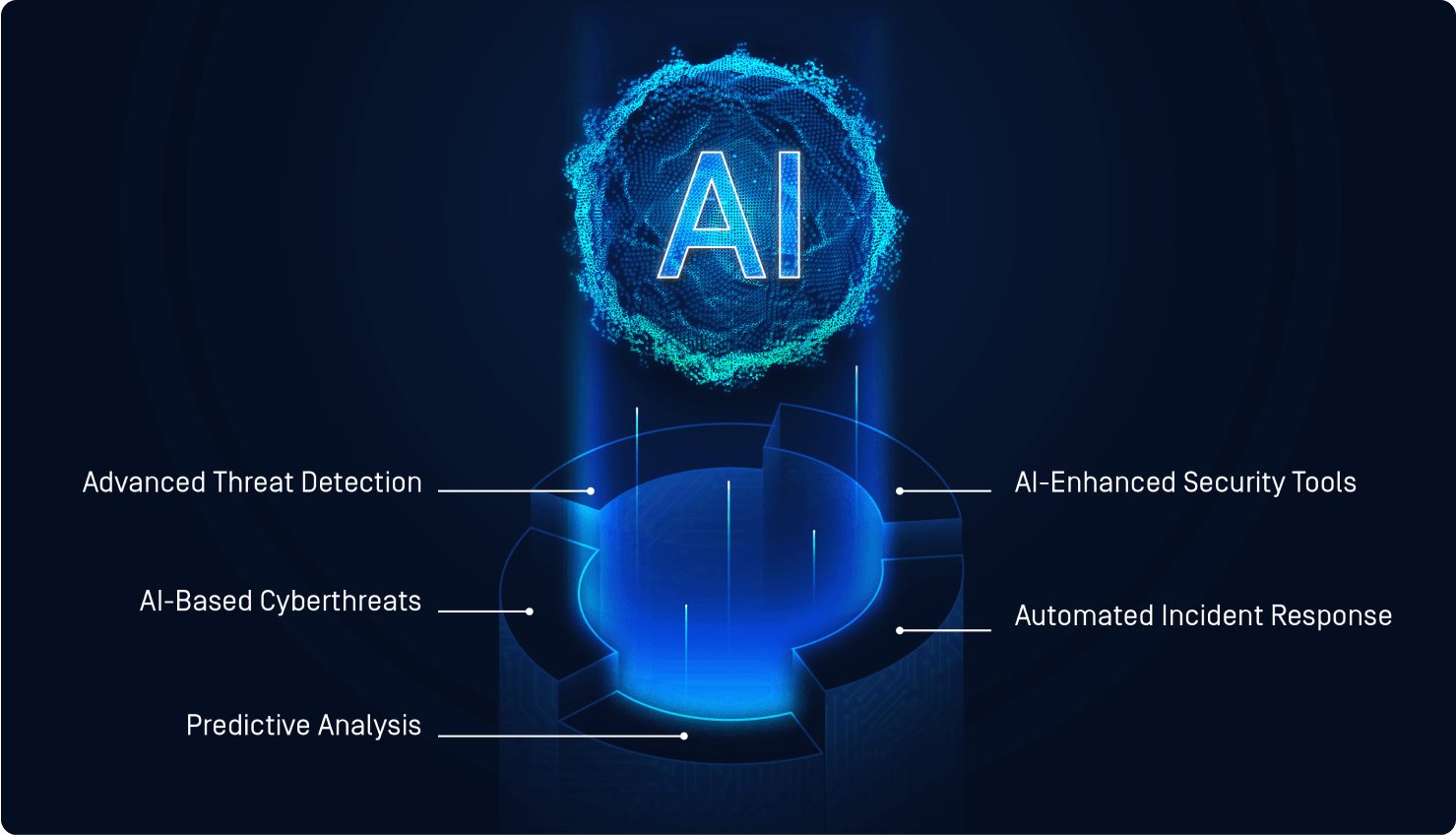
One of the key areas where AI is making a significant impact is in the realm of threat detection. Traditional methods of detecting cyber threats often rely on rules-based systems that are limited in their ability to identify new and emerging threats. AI, on the other hand, can analyze vast amounts of data in real-time to identify patterns and anomalies that may indicate a potential threat. Machine learning algorithms, in particular, are adept at recognizing patterns in data and can continuously learn and adapt to new threats.

2. Behavioral Analysis
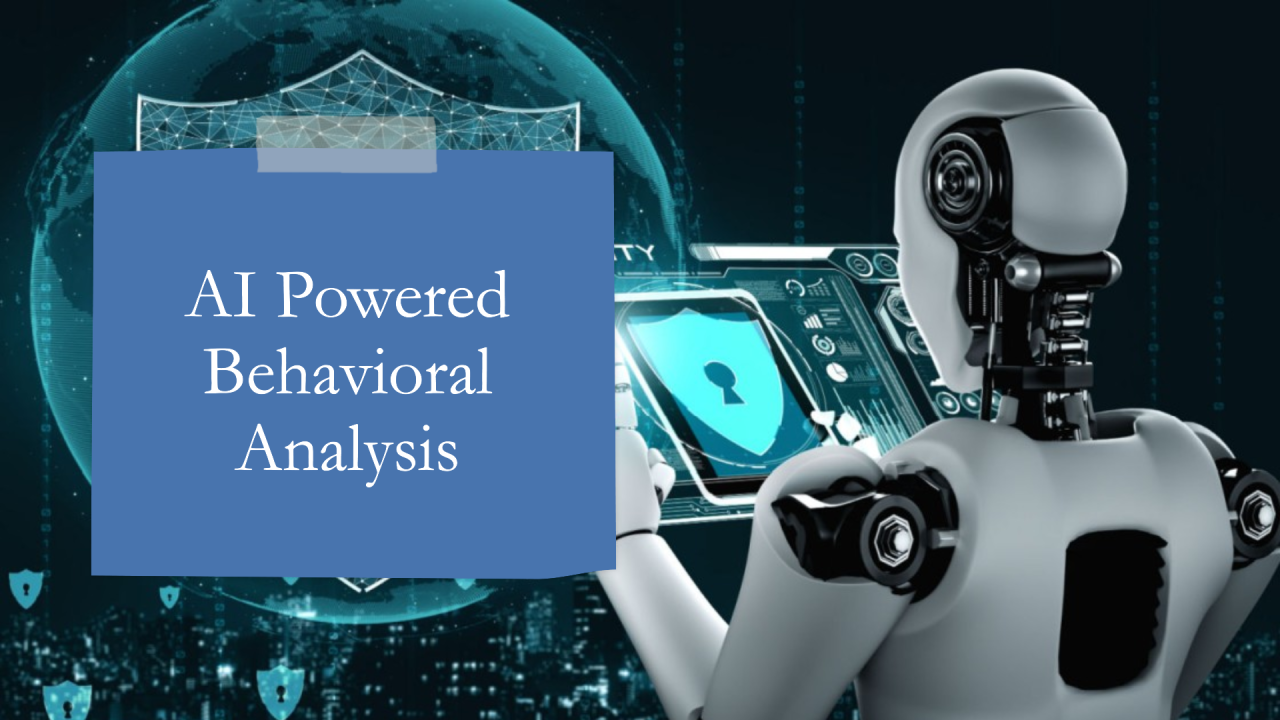
AI is also being used to conduct behavioral analysis to identify abnormal behavior that may indicate a cyber-attack. By analyzing user behavior and network traffic patterns, AI algorithms can detect anomalies that may signify a security breach. This proactive approach to cybersecurity allows organizations to respond to threats before they can cause significant damage.
3. Automation of Routine Tasks
Another area where AI is proving invaluable is in automating routine cybersecurity tasks. Tasks such as patch management, system updates, and log analysis can be time-consuming and labor-intensive. AI-powered systems can automate these tasks, allowing cybersecurity professionals to focus on more strategic activities.
4. Enhanced Incident Response
In the event of a cyber attack, AI can play a crucial role in incident response. AI-powered systems can quickly analyze the scope and severity of an attack, enabling organizations to mount an effective response. Additionally, AI can help identify the root cause of an attack and provide recommendations for mitigating future risks.
5. Challenges and Considerations
While AI offers tremendous potential in enhancing cybersecurity, its implementation is not without challenges. One of the primary challenges is the need for high-quality data to train AI algorithms effectively. Additionally, there are concerns around the ethical use of AI in cybersecurity, particularly regarding issues such as privacy and bias.

Conclusion
In conclusion, AI is revolutionizing cybersecurity by enabling organizations to detect, respond to, and mitigate cyber threats more effectively. By leveraging the power of AI, organizations can enhance their cybersecurity defenses and stay one step ahead of cyber attackers. However, it is essential to approach the use of AI in cybersecurity thoughtfully and ethically to maximize its benefits while mitigating potential risks.