

Safeguarding IoT: Cybersecurity in a Connected Era
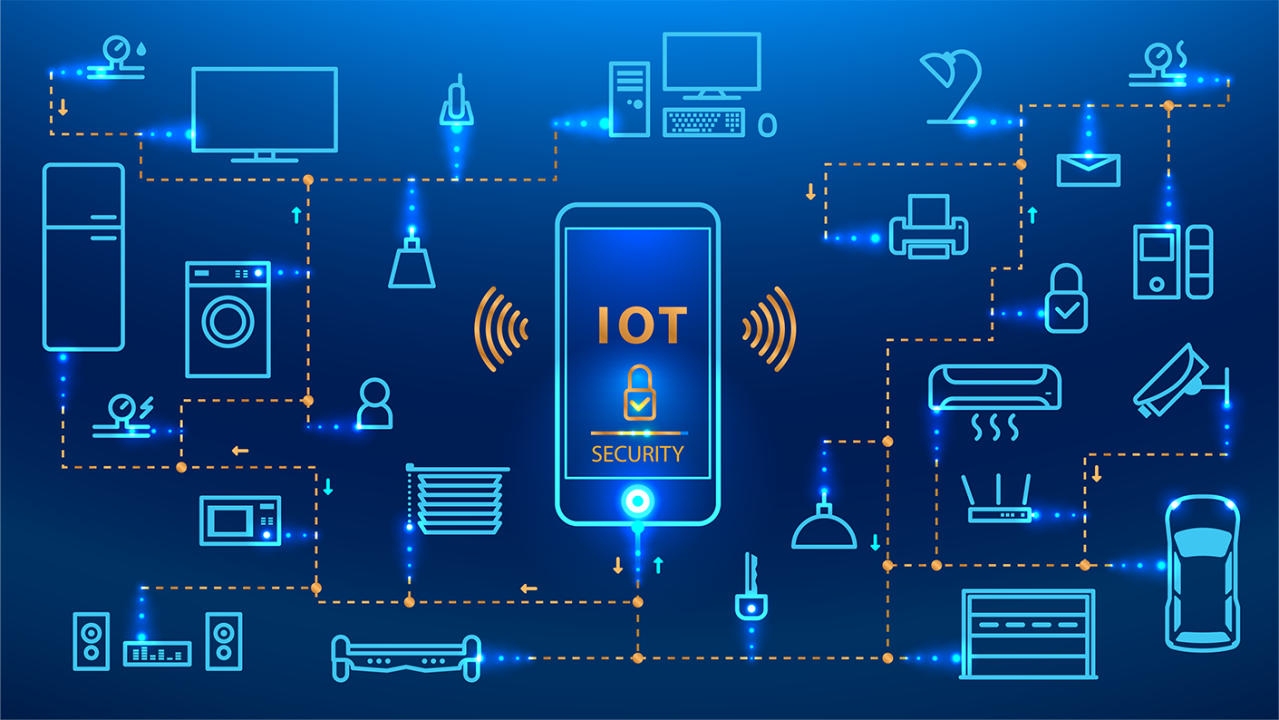
The Internet of Things (IoT) has transformed the way we live and work, connecting billions of devices to the internet and enabling unprecedented levels of convenience and efficiency. However, this interconnectedness also presents significant cybersecurity challenges, as each connected device represents a potential entry point for cyber attackers. This article explores the unique cybersecurity challenges posed by the IoT and discusses strategies to mitigate these risks.
1. Vulnerabilities in IoT Devices
IoT devices are often designed with a focus on functionality and cost-effectiveness, rather than security. This can result in devices with weak or default passwords, unencrypted communication channels, and outdated software. These vulnerabilities make IoT devices attractive targets for cyber attackers, who can exploit them to gain unauthorized access to networks or launch attacks.

2. Threats to Privacy
The proliferation of IoT devices has raised concerns about the privacy of personal data. Many IoT devices collect and transmit sensitive information, such as location data, health information, and personal preferences. If not properly secured, this data can be intercepted or stolen by cyber attackers, leading to serious privacy breaches.

3. Botnets and DDoS Attacks
IoT devices have been increasingly used to create botnets, which are networks of compromised devices that can be used to launch distributed denial-of-service (DDoS) attacks. By harnessing the computing power of thousands of IoT devices, cyber attackers can overwhelm websites or servers, rendering them inaccessible to legitimate users.

4. Securing IoT Devices
To mitigate the cybersecurity risks associated with IoT devices, several measures can be taken:
Strong Authentication: IoT devices should use strong, unique passwords and implement two-factor authentication (2FA) where possible.
Encryption: All communication between IoT devices and the network should be encrypted to prevent eavesdropping and data tampering.
Regular Updates: IoT devices should receive regular security updates and patches to protect against known vulnerabilities.
Network Segmentation: IoT devices should be placed on separate network segments to isolate them from critical systems and data.
Monitoring and Detection: Organizations should monitor IoT devices for suspicious activity and implement detection mechanisms to identify potential security breaches.
5. Collaborative Efforts
Addressing the cyber security challenges of the IoT requires a collaborative effort from manufacturers, regulators, and consumers. Manufacturers should prioritise security in the design and development of IoT devices, while regulators should establish guidelines and standards to ensure the security and privacy of IoT devices. Consumers, on the other hand, should be aware of the risks posed by IoT devices and take steps to secure them, such as changing default passwords and keeping software up to date.

Conclusion
The IoT has the potential to revolutionize our lives, but its widespread adoption also raises significant cybersecurity challenges. By implementing robust security measures and adopting a proactive approach to cybersecurity, we can harness the benefits of the IoT while safeguarding against potential risks.