OpenAI introduces voice engine cloning voices in 15 seconds.
OpenAI is sharing early experiences from a preliminary of a component that can peruse text such that sounds strikingly human-like. This addresses a major step in the right direction in man-made reasoning, but on the other hand it’s raising worries about potential deepfake gambles.
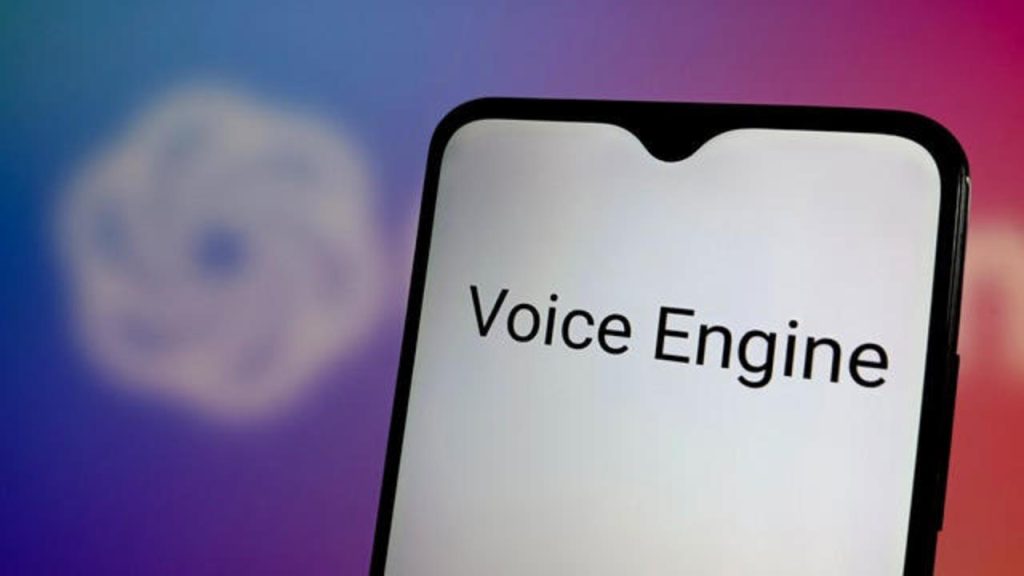
The organization is flaunting a few introductory showings and commonsense purposes from a limited scale trial of its text-to-discourse model called Voice Motor. This model has been given to around 10 designers up to this point, as per a representative. Despite the fact that OpenAI discussed the element with correspondents prior, they’ve chosen not to broadly deliver it.
They went with this choice in view of criticism from different gatherings like policymakers, industry specialists, educators, and imaginative experts. Initially, they intended to offer the apparatus to up to 100 engineers, yet they changed their arrangements.
In a blog entry, OpenAI recognized the serious dangers of making discourse that sounds so human-like, particularly during a political decision year. They referenced that they’re working with various accomplices, including legislatures, media, diversion, and schooling, to get their feedback and ensure they’re pushing ahead cautiously.
OpenAI is sharing early experiences from a preliminary of a component that can peruse text such that sounds strikingly human-like. This addresses a major step in the right direction in man-made reasoning, but on the other hand it’s raising worries about potential deepfake gambles.
The organization is flaunting a few introductory showings and commonsense purposes from a limited scale trial of its text-to-discourse model called Voice Motor. This model has been given to around 10 designers up to this point, as per a representative. Despite the fact that OpenAI discussed the element with correspondents prior, they’ve chosen not to broadly deliver it.
They went with this choice in view of criticism from different gatherings like policymakers, industry specialists, educators, and imaginative experts. Initially, they intended to offer the apparatus to up to 100 engineers, yet they changed their arrangements.
In a blog entry, OpenAI recognized the serious dangers of making discourse that sounds so human-like, particularly during a political decision year. They referenced that they’re working with various accomplices, including legislatures, media, diversion, and schooling, to get their feedback and ensure they’re pushing ahead cautiously.