
Securing Tomorrow: Future Trends in Cybersecurity

As technology continues to advance at a rapid pace, the future of cyber security is poised to undergo significant transformations. From the rise of quantum computing to the increasing use of bio metric authentication, this article explores some of the key trends and predictions shaping the future of cyber security.
1. Quantum Computing and Encryption
Quantum computing has the potential to revolutionize cybersecurity, offering immense computing power that can break traditional encryption methods. In response, cybersecurity experts are exploring quantum-resistant encryption techniques that can withstand the computational power of quantum computers.
2. Biometric Authentication
Biometric authentication, which uses physical or behavioral characteristics such as fingerprints or facial recognition, is becoming increasingly popular as a secure means of authentication. As biometric technologies advance, they are expected to play a more prominent role in cybersecurity, replacing traditional password-based authentication methods.
3. AI and Machine Learning
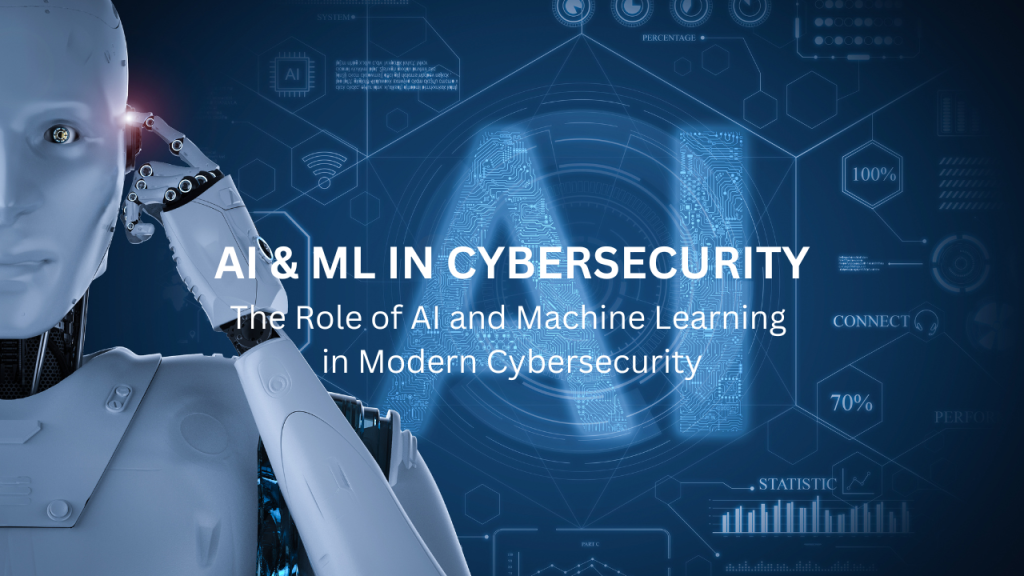
AI and machine learning are already being used to enhance cybersecurity, with algorithms that can analyze vast amounts of data to detect patterns and anomalies indicative of cyber threats. In the future, AI is expected to play an even greater role in cybersecurity, helping to automate threat detection and response processes.
4. Zero Trust Security Model
The Zero Trust security model, which assumes that no entity, whether inside or outside the network, should be trusted by default, is gaining traction as a cybersecurity best practice. In the future, organizations are expected to adopt Zero Trust principles more widely to protect against insider threats and external attacks.
5. Cybersecurity in Critical Infrastructure
As critical infrastructure such as power grids, transportation systems, and healthcare facilities become more connected, they also become more vulnerable to cyber attacks. In the future, securing critical infrastructure will be a top priority, with a focus on implementing robust cybersecurity measures to protect against potential threats.

6. Rise of Cyber Insurance
With the increasing frequency and severity of cyber attacks, cyber insurance is expected to become more prevalent. Organizations will increasingly turn to cyber insurance to mitigate the financial impact of cyber attacks and ensure business continuity.
7. Skills Shortage and Automation
The cybersecurity skills shortage is a significant challenge facing the industry. In response, organizations are expected to increasingly rely on automation and AI to fill the gap, automating routine cybersecurity tasks and freeing up human resources for more strategic activities.

Conclusion
The future of cybersecurity promises to be both challenging and exciting, with advancements in technology offering new opportunities to enhance security and protect against evolving cyber threats. By staying informed about emerging trends and adopting proactive cybersecurity measures, organizations can navigate the cybersecurity landscape of the future with confidence.